ByJohn A
How Artificial Intelligence Improves Supply Chains
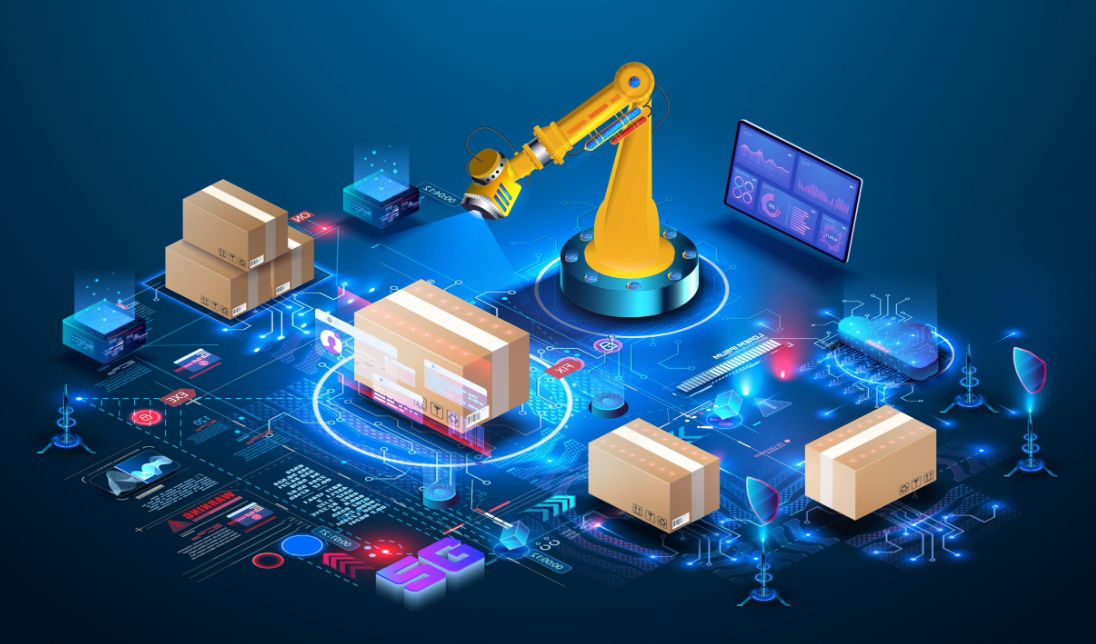
Artificial intelligence enhances supply chains by delivering end-to-end visibility across planning, execution, and optimization. It improves demand forecasting, inventory optimization, and replenishment with data-driven metrics and risk-aware controls. AI-driven logistics reduce dwell times while preserving transparent, supervised operations. Governance and ethical sourcing ensure accountability, supported by auditable processes and human oversight. The result is resilient, efficient networks that prompt further exploration into governance, implementation, and measurable outcomes.
What AI Bring to Modern Supply Chains
AI enhances supply chains by delivering visibility, precision, and resilience across planning, execution, and optimization functions. The analysis emphasizes data-driven decisions, standardized metrics, and risk-aware controls, enabling autonomous yet supervised operations. Global ethics and data governance guide governance frameworks, while sustainability metrics track efficiency gains. Human oversight ensures accountability, with transparent reporting and auditable processes that support freedom to innovate responsibly.
Demand Forecasting and Inventory Optimization With AI
Demand forecasting and inventory optimization leverage AI to convert data from planning and execution into actionable indicators of demand, stock levels, and serviceability. This approach emphasizes demand signals, forecast accuracy, and proactive inventory turns management. It supports SKU rationalization, reducing complexity and obsolescence while aligning replenishment with variability. The result is data-driven resilience, efficiency, and controlled risk across the supply chain.
AI-Driven Logistics and Network Visibility
AI-driven warehouses integrate inventory flow and autonomous routing, reducing dwell times and human error. Visibility supports flexible, freedom-oriented operations while mitigating risk through proactive alerts and precise, scalable planning.
See also: How Artificial Intelligence Supports Remote Teams
Building Resilient, Responsible AI in Supply Chains
Building resilience and accountability into supply chain AI requires rigorous governance, transparent methodologies, and measurable risk controls that align with operational priorities and compliance standards.
The discussion centers on ethical sourcing, data governance, and transparent performance metrics, enabling autonomy while reducing fragility.
Data-driven models prioritize verifiable inputs, robust auditing, and risk-aware decisioning, empowering operators to optimize flows with confidence and deliberate, freedom-oriented oversight.
Frequently Asked Questions
How Does AI Impact Supplier Diversity and Selection?
AI enhances supplier diversity and supplier selection by analyzing performance, risk, and capability data; it expands candidate pools, quantifies reliability, and reduces bias, enabling faster, more transparent decisions while maintaining freedom to pursue innovative, resilient sourcing strategies.
Can AI Help Reduce Ethical Risks in Sourcing Decisions?
AI can help reduce ethical risks in sourcing decisions by enabling ethics auditing, bias mitigation, and transparent supplier assessments, delivering data-driven insights, efficiency gains, and risk awareness for decision-makers seeking supplier freedom within responsible governance.
What Are the Costs and ROI of AI in Small Businesses?
AI adoption costs and ROI for small businesses hinge on upfront investments and measurable ROI metrics; benefits include improved governance oversight, ethical risk reduction, and supplier diversity, while data privacy concerns and integration labor affect overall payback and risk management.
How Does AI Ensure Data Privacy Across Partners?
Satire aside, AI enforces data privacy across partners through robust access controls, encryption, and audit trails, reducing data leakage while streamlining consent management. The approach emphasizes data-driven efficiency, risk awareness, and freedom to operate securely across networks.
What Governance Includes Human Oversight in AI Decisions?
A governance structure embeds human in the loop oversight within ai decisions, ensuring accountability and transparency. It emphasizes data-driven, efficiency-focused risk awareness, while preserving autonomy and freedom by clearly defining roles, thresholds, and escalation paths.
Conclusion
In sum, artificial intelligence subtly steers supply chains toward steadier performance and measured adaptability. With data-driven precision, operations align to forecasted demand, inventory moves become leaner, and routes shade into transparent, well-governed workflows. Risks are anticipated, not concealed, and safeguards remain in plain sight, guiding autonomous systems with human oversight. The outcome favors resilience and efficiency, while ethical sourcing and auditable practices provide quiet, persistent assurance that networks function calmly and reliably under changing conditions.